Food
A Georgian breakfast, explained
Khachapuri, shoti, mchadi, sulguni, churchkhela — what is on a Kakhetian breakfast table, what each one is, and why the bread matters more than you think.
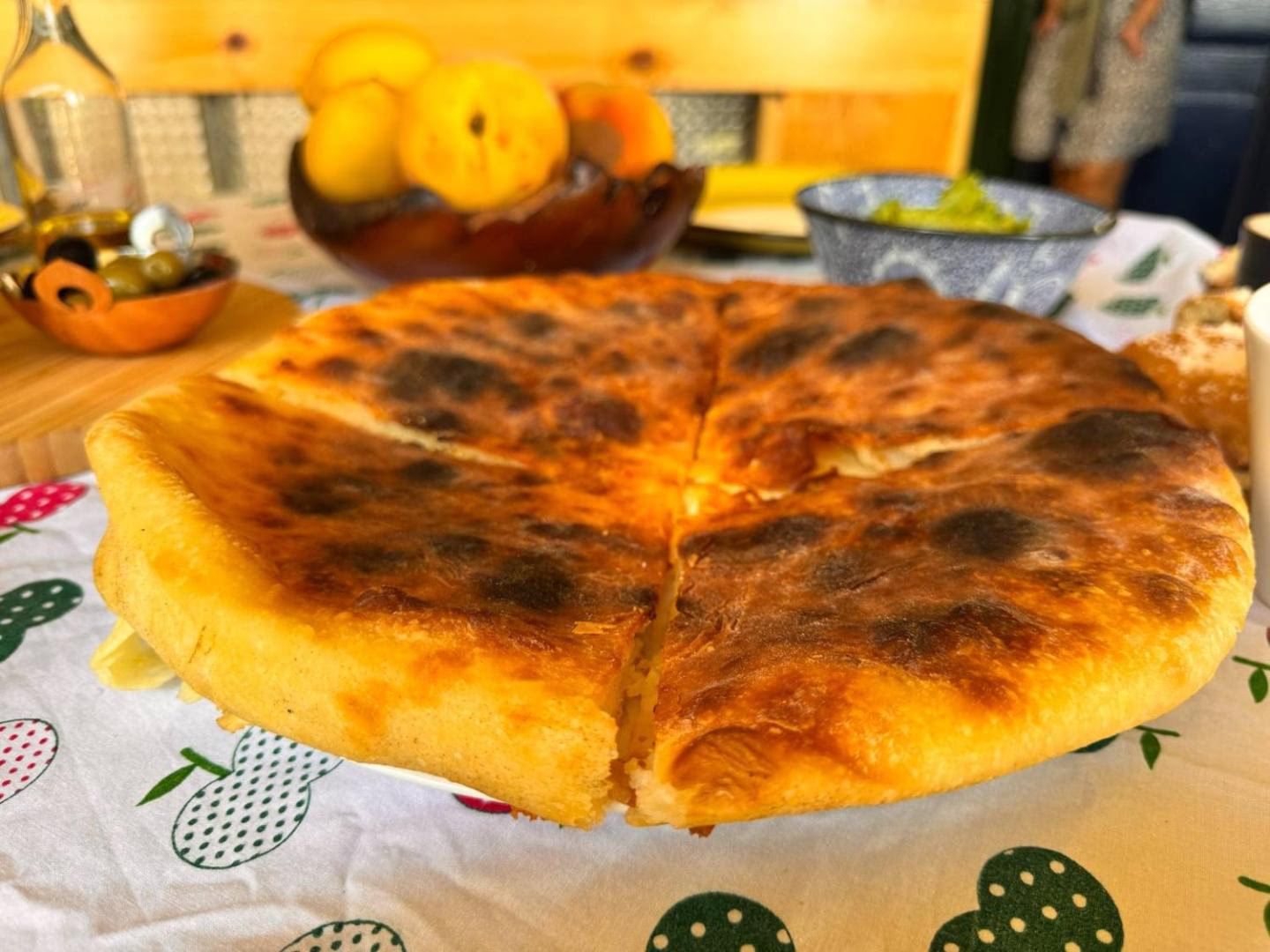
The first Georgian breakfast confuses most people, because it is not a breakfast in the sense they were expecting. It is a table with a lot of small savoury things on it and one large hot thing in the middle, and there is no clear moment when it stops.
Here is what everything is.
The large hot thing: khachapuri
Khachapuri (ხაჭაპური) means, roughly, “cheese bread”, which undersells it considerably. It is bread dough filled with salted cheese and baked, and every region of Georgia has its own shape.
- Imeruli — the round, flat, fully enclosed one, cut into wedges at the table. This is what we make, and it is what most Georgians mean by khachapuri.
- Adjaruli — the famous one shaped like a boat, with a raw egg and butter dropped into the middle at the end. From the Black Sea coast. Spectacular, and a lot at eight in the morning.
- Megruli — imeruli with more cheese baked on top, because Samegrelo does not do restraint.
The cheese is usually sulguni — springy, salty, slightly squeaky — often mixed with imeruli cheese, which is milder and fresher.
Khachapuri is genuinely much better in the first hour. This is not a detail. A khachapuri baked the night before and reheated is a different and lesser food, which is why we bake in the morning and why guests keep mentioning it in reviews.
The bread: shoti
Shoti (შოთის პური) is the canoe-shaped white bread with pointed ends, baked by slapping the dough onto the inside wall of a deep clay oven called a tone. It comes out with a blistered, slightly charred bottom and a soft middle.
It is best within about an hour and genuinely poor by the next day. Georgians buy it daily, from a bakery, at the hour they intend to eat it.
Mchadi
Mchadi (მჭადი) is cornbread — flat, dense, no leavening, cooked in a pan until it is crisp outside. It is what people ate in Kakheti when wheat was expensive, and it is the natural partner for cheese and beans. Naturally gluten-free.
The small things
Sulguni and guda cheese. Guda is matured in a sheepskin bag and is sharper and funkier than sulguni. If you like a strong cheese, ask for it.
Tomato and cucumber with walnut. The default Georgian salad. What makes it Georgian is the dressing: walnuts pounded with garlic, coriander, blue fenugreek and a little vinegar. The walnut paste turns up in a great many Georgian dishes and is one of the true signatures of the cuisine.
Pkhali. Vegetables — spinach, beetroot, leek, aubergine — chopped fine and bound with that same walnut paste, served cold in small mounds, usually with a pomegranate seed on top.
Badrijani nigvzit. Fried aubergine slices rolled around walnut paste. Almost everyone’s favourite thing on the table.
Jonjoli. Pickled flower buds of the bladdernut tree. Slightly sour, slightly crunchy, and particular to this part of the world.
Churchkhela. The candle-shaped things hanging in ropes at the market. Walnuts on a string, dipped repeatedly in thickened grape juice and dried. Made at rtveli from the juice that does not become wine. Not a sweet in the sugary sense — chewy, nutty, quite dense.
Matsoni. The local yoghurt, sharper than most. Eaten with honey.
Chirbuli, if you want eggs
Chirbuli is eggs baked with tomato, walnut, garlic and herbs. It is the Georgian answer to the question “but what about eggs”, and it is better than the question deserves.
What to drink
Coffee, black tea, or herbal tea from whatever was drying. Georgian black tea is grown in Guria, on the other side of the country, and had an enormous industry behind it in the Soviet period.
Nobody will pour you wine at breakfast. If you ask for a small glass of something amber at nine in the morning during rtveli, however, nobody will stop you either.
Vegetarians and vegans
Georgian food is one of the easiest cuisines in the world to eat well in without meat — and the rest of the day is the same. Pkhali, badrijani, lobio (bean stew), mchadi, the salads and most of the pickles are already vegan; the cheese dishes are vegetarian.
We cook the vegan version properly rather than removing things from a plate. Say so when you book and it will simply be that way when you come down.