Kakheti
The best time to visit Kakheti, month by month
What Georgia's wine region is like month by month — temperatures, crowds, what is open, what is in season, and the two windows worth planning around.
On this page 4
The short version: May to June and mid-September to mid-October. Everything else has a case to make, and some months make it better than others.
The two good windows
Late spring, May into June. The valley is green in a way it will not be again until next year. Wildflowers are out, and it is warm without being punishing. Everything is open and almost nothing is busy. This is the best time for photographs and for actually walking around Telavi in the middle of the day.
Rtveli, mid-September to mid-October. The grape harvest. Families return from Tbilisi, yards fill with crates, and supra tables run for hours. It is the most interesting fortnight of the Georgian year, and the hardest time to find a bed. Book months ahead.
Month by month
January – February. Cold, quiet, often clear, with snow on the Caucasus across the valley. Daytime temperatures sit around 5–10°C. Cellars are open and you will frequently be the only visitor, which in a family marani is no bad thing. Prices are at their lowest. The Gombori pass can close after heavy snow, adding an hour to the drive from Tbilisi via Sagarejo.
March. Thaw, mud, and vines being pruned. Not a beautiful month, but the first warm days arrive at the end of it.
April. Everything turns green. Cool mornings, mild afternoons, and occasional heavy rain. Easter falls here often and is worth seeing.
May. Arguably the best single month. Warm, green, flowering, and not yet crowded. 20–25°C.
June. Much like May, but hotter. Cherries and apricots arrive. Still comfortable.
July. Hot. 30–35°C is routine and it will often go higher. You quickly learn why every cellar is underground. Do the wineries in the morning, disappear indoors for the afternoon, come back out at six. The house has a garden and a furnished terrace for the evening.
August. The hottest month, and the one with the most fruit: peaches, figs, melons, and the first grapes. Georgians take their own holidays now, meaning the coast is busy and Kakheti is not.
September. The weather turns. The first half is still summer; the second half is rtveli. If you can only come once, aim for the second half.
October. Rtveli runs into the first half, then the leaves turn and the valley goes gold and rust. Early October is an underrated window. The harvest energy is still in the air, and the crowds have gone.
November. Quiet, grey, cheap. The new wine is still in the qvevri. A good month for a cellar-focused trip with no distractions.
December. Cold and clear. Georgian New Year is a serious business. The food alone justifies the trip, and the region feels entirely local rather than touristed.
What that means for what you do
| You want | Come |
|---|---|
| Photographs and walking | May, early June, October |
| The harvest and the supras | Mid-Sept to mid-Oct |
| Cellars with nobody else in them | November to March |
| Fruit off the tree | July and August |
| Lowest prices | January, February, November |
Two practical notes
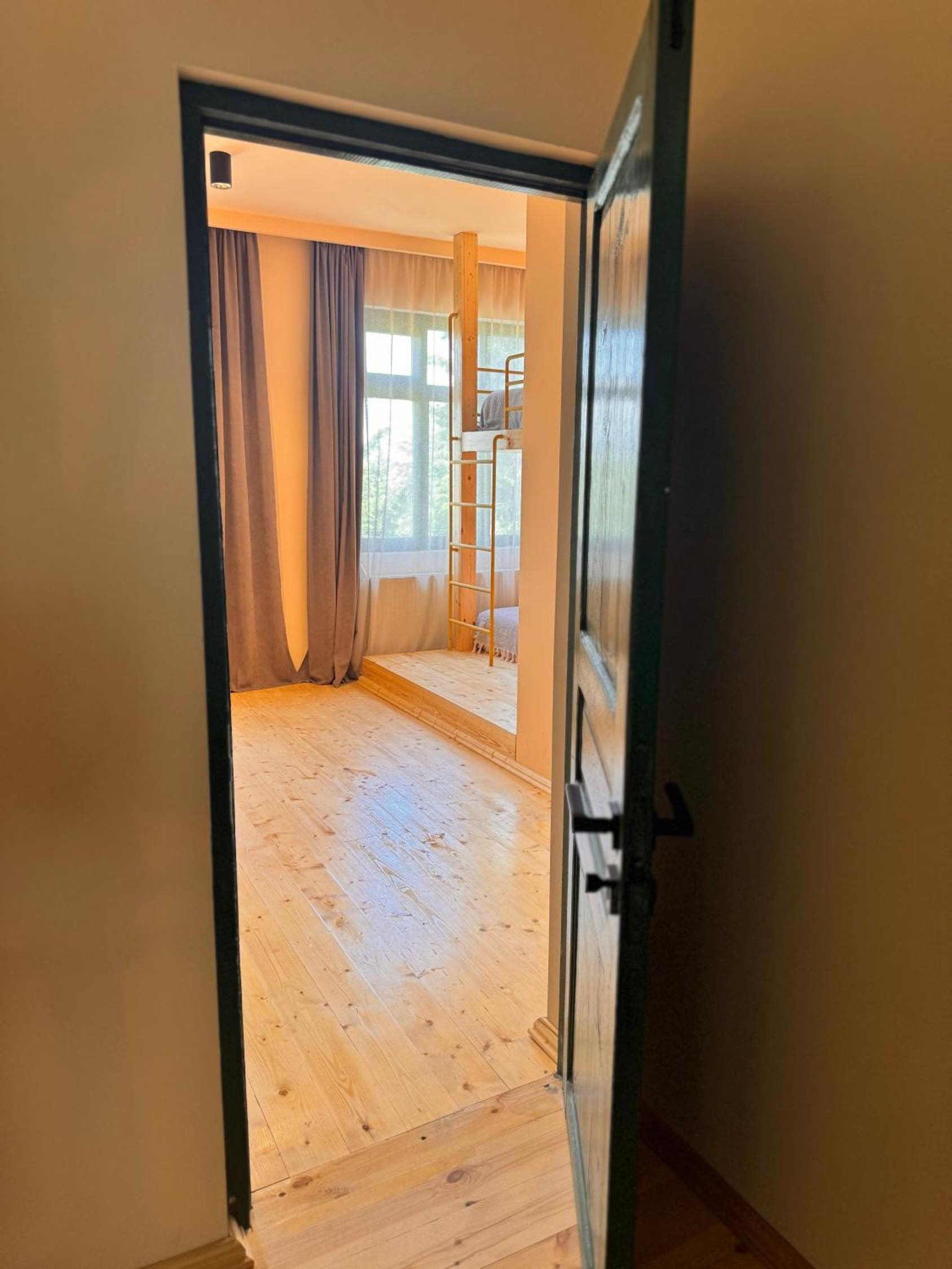
Book early for rtveli. The house has four rooms, and late September is the busiest time of year in Kakheti. Book months ahead.
Insurance is mandatory now. Since 1 January 2026 every foreign visitor to Georgia must hold health and accident insurance covering at least 30,000 GEL for the full stay. You must be able to produce it in Georgian or English at the border. It applies whether or not you need a visa. It is inexpensive and they do check it. Sort it before you fly.